Suarez and Evra: The Handshake That Never Happened and the Rift That Defined a Rivalry
atrice Evra's hand, extended in the Old Trafford tunnel on October 15, 2011, met not Luis Suarez's palm but empty air. Suarez had already moved past, his own hand kept low, and the flashbulbs caught the snub in a blur of motion. That moment—barely two seconds—detonated a fuse that had been lit a year earlier at Anfield. For anyone who followed English football closely。the Suarez and Evra saga wasn't just a disciplinary case;it was a raw, uncomfortable collision of race, language, and footballing tribalism that neither man nor their clubs handled with any real grace.The origin point: October 15。2010, Liverpool versus Manchester United. During a heated match, Evra accused Suarez of racially abusing him multiple times. The FA convened a panel, heard hours of testimony—including linguistic experts debating the nuance of the Spanish word "negro" as Suarez claimed he'd used it—and banned Suarez for eight matches. He was also fined £40,000. Suarez never admitted wrongdoing, insisting his use of the term was friendly and lost in translation. Evra, for his part, felt vindicated by the verdict but vilified by Liverpool's fanbase. I remember watching the FA's written reasons published in January 2012;they read less like a legal document and more like a portrait of two men talking past each other, each convinced of his own truth.What struck me most wasn't the verdict itself but the aftermath's tribalism. Liverpool players wore Suarez t-shirts in a show of support before a match against Wigan—a gesture that struck many, including me。as tone-deaf at best. Kenny Dalglish, then Liverpool manager, defended his player with a stubbornness that bordered on defiance. Meanwhile, Evra became a pantomime villain at Anfield, booed relentlessly. The Suarez and Evra feud wasn't just personal anymore;
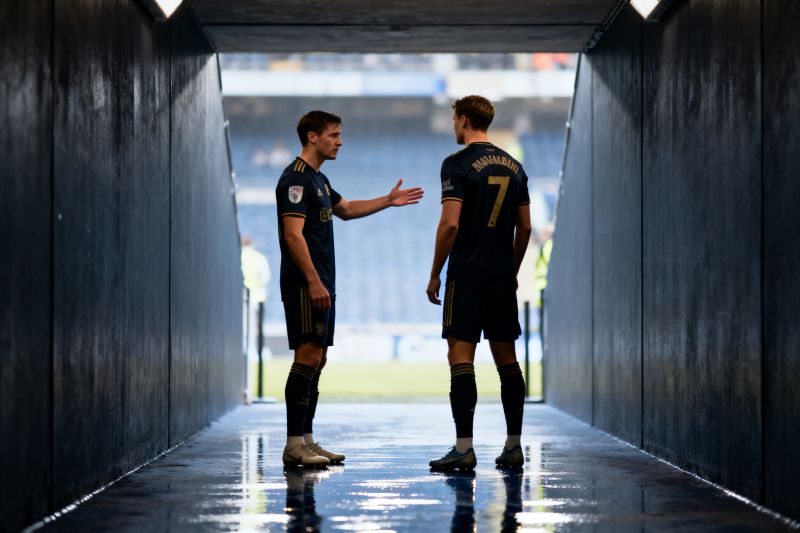
it had hardened into a proxy war between fanbases, with the actual incident buried under layers of grievance and loyalty. You could argue, as some pundits did, that the football world failed to address the cultural dimensions of the case—how do you adjudicate a phrase that's offensive in one culture but colloquial in another?The FA tried, but the nuance got lost in the noise.Then came the non-handshake. Suarez later said he didn't shake Evra's hand because he feared Evra would refuse his—a logic that felt like a schoolyard excuse. The two clubs issued statements, managers offered lukewarm apologies, and the FA fined both players for failing to comply with pre-match protocols. I've always thought the handshake controversy was more revealing than the initial slur. It showed how unresolved anger festers;how a symbolic gesture can become a weapon. Suarez and Evra never truly reconciled. They played against each other again, exchanged minimal pleasantries。
and moved on with their careers—Suarez to Barcelona, Evra to Juventus and later West Ham. But whenever they crossed paths, the air felt charged.Looking back。the Suarez and Evra episode remains a case study in how football handles race and cultural misunderstanding—clumsily, defensively, and often too late. The FA's report ran to 115 pages, yet no amount of documentation could bridge the gap between two men's realities. Suarez's career flourished, Evra's punditry career took off, and the incident became a footnote in their Wikipedia pages. But for those who watched it unfold, the memory lingers: Evra's outstretched hand, Suarez's slight, and the uncomfortable truth that some rifts never fully heal, only fade into the background noise of a sport that rarely stops moving long enough to reflect.
Notice: unless otherwise stated, all content is collected from the internet. If it infringes your rights, please contact us for removal.