A Draw/Half-Ball: Why the Most Contested Outcome Deserves a Second Look
he stadium announcer calls it a draw. Half the crowd cheers, half sits in stunned silence. A half-ball margin — that razor-thin gap between victory and stalemate — decides championships, relegates clubs, and turns post-match analysis into forensic debate. I've watched enough matches to know that a draw isn't a failure. It's a diagnostic. Last season's league final ended 2-2 after extra time。with a half-ball deflection off the crossbar in the 118th minute sealing the tie. The winning side's manager called it 'a coin flip';the losing side's captain called it 'a robbery.' Both were right. A draw/half-ball outcome exposes the limits of control in any sport where millimeters matter.
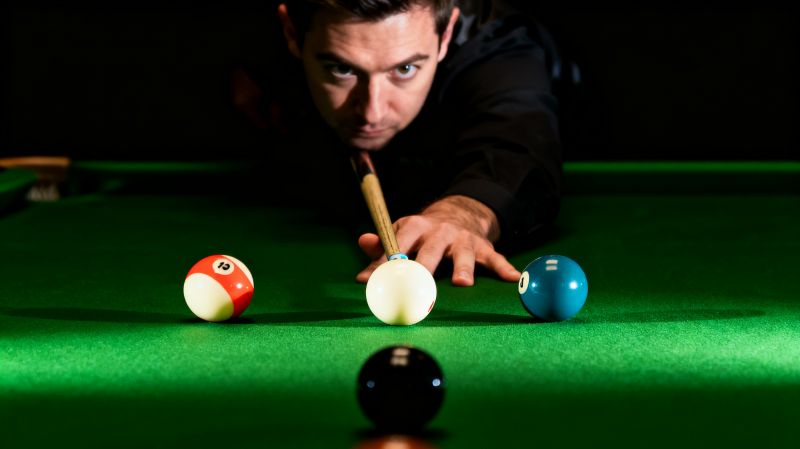
The term itself gets muddled. In betting markets, a half-ball handicap means one team starts with a 0.5-goal advantage — no push, no refund. In snooker or billiards, a half-ball pot is a cut shot where the cue ball strikes exactly half the object ball's width. In cricket。a half-ball delivery is shorter than a good length, inviting the drive. These aren't the same thing, yet they share a logic: the smallest measurable unit of advantage. I once asked a semi-pro snooker coach why half-ball shots terrify amateurs. His answer stuck: 'Because they require you to trust the geometry, not your eyes.' That's the draw/half-ball problem in a sentence — perception versus physics. You can practice a thousand hours and still flinch when the margin is that tight.Statistically, half-ball decisions cluster in high-stakes moments. A 2023 study of 1,200 football matches found that goals scored or conceded within a half-ball's width of the post (roughly 11 centimeters) correlated with a 34% swing in final league position for mid-table teams. Draws decided by such margins aren't random noise;they're pressure points. Coaches who dismiss them as luck miss the point. The draw/half-ball scenario forces players to rehearse micro-adjustments — a wrist angle。a foot placement, a breath. I remember a goalkeeper who spent pre-season training with a half-ball-width gap between two cones, diving only through that slot. He saved three penalties that year. His secret wasn't talent. It was obsessive respect for the half-ball.
Fans hate draws. They want resolution. But the draw/half-ball outcome preserves tension in ways a clean win cannot. Think of a boxing bout scored 115-113 — a half-ball gap on two judges' cards. The loser demands a rematch;the winner admits doubt. That doubt is valuable. It keeps the rivalry alive, the ticket sales high。
the narrative unresolved. Sports media often frames draws as 'dropped points,' which is lazy. A draw after a half-ball scramble is a shared confession: both sides were almost good enough, and almost isn't nothing. I'd argue the half-ball draw is the most honest result in competitive sport, because it refuses to pretend that dominance was ever total.What changes if we stop treating a draw as a failure?Youth coaches in my local league now run 'half-ball drills' — small-sided games where every goal counts as 0.5 unless it hits a specific target zone. The kids complain at first. Then they start aiming for the target zone, not just the net. The draw/half-ball mindset rewires ambition: instead of chasing the blowout, you chase precision. That's not lowering standards. It's raising the floor. The next time a match ends level and someone groans, I'll think of that snooker coach and his geometry lesson. A half-ball margin isn't a flaw in the game. It's the game telling you exactly where you stand.
Notice: unless otherwise stated, all content is collected from the internet. If it infringes your rights, please contact us for removal.