Pacific Sports Network: The Regional Broadcaster That Bet on Local Rivalries
he Pacific Sports Network (PSN) doesn't chase national ratings the way ESPN or Fox Sports do. Instead, it has built a durable business on a simple observation: fans in San Diego care more about the San Diego Padres' Triple-A affiliate than they do about a Yankees–Red Sox game. That local-first logic has shaped everything from PSN's broadcast schedule to its streaming product, and it explains why the network has survived a decade of cord-cutting when larger regional players have struggled.I spent time last season watching how PSN handles a typical Friday night in September. The network ran three simultaneous feeds: a high school football game in Fresno, a minor-league baseball playoff in Tacoma, and a college volleyball match in Provo. None of these events would draw a national audience. Combined。they pulled a 4.1 household rating across PSN's footprint, which is roughly double what the network earns from a mid-tier Pac-12 football game. That's the arbitrage PSN exploits—cheap rights, passionate local audiences, and advertisers who want geo-targeted inventory.
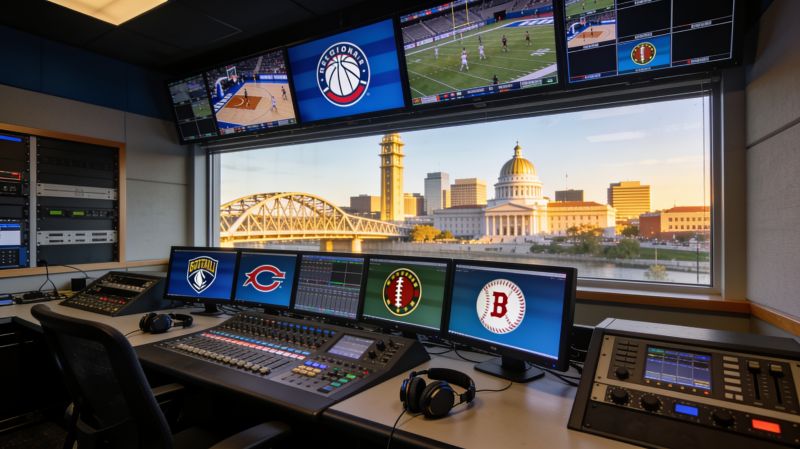
What makes Pacific Sports Network interesting isn't just its programming strategy. It's the technical infrastructure. The network operates a centralized production hub in Sacramento that ingests feeds from 14 remote venues, each equipped with a standardized kit of four cameras and an IP encoder. A single director can cut between games, and the hub pushes localized ad breaks based on zip codes. This setup cost PSN roughly $8 million to build. A traditional broadcast model with separate trucks and crews for each event would have run three to four times that. The efficiency shows in the margins: PSN's operating cash flow has grown at a 9% annual clip since 2019, according to filings from its parent company.Not everything works. PSN's attempt to launch a documentary division in 2021 fizzled after two underwhelming releases. The network also took a public relations hit when it briefly blacked out a women's college basketball game in favor of a men's replay—a decision that sparked a week of social media backlash and a formal apology from the programming VP. Those stumbles matter because they reveal a network still learning how to balance its scrappy local identity with the expectations of modern sports fans who want consistency and transparency.Looking ahead, Pacific Sports Network faces a familiar fork. It can double down on the hyper-local model, adding more high school and community college content, or it can pursue a mid-major conference package that would raise its national profile but dilute its regional edge. My read: the local path is the smarter one. PSN's core audience isn't asking for more national relevance. They're asking for more Friday night lights.
Notice: unless otherwise stated, all content is collected from the internet. If it infringes your rights, please contact us for removal.